Impact
A record of account.
Counted in the things that were built and are still standing, rather than in activities delivered.
Reach
The scale the work has operated at
Programmes, countries and networks reached through technical and strategic leadership.
- 18+
Years
Strategic and technical leadership across global health systems.
- 277M+
USD
Maternal and newborn health programme supported through IPC and WASH technical leadership.
- 22
Countries
Supported through UNICEF's Hand Hygiene for All initiative.
- 32
Networks
Country-level faith-based health networks strengthened under the USAID MCGL project.
Delivery
What was actually built
Capacity, facilities and accredited systems — the units that outlast a funding cycle.
- 1,044
Professionals
Laboratory professionals trained in biosafety and health security.
- 216
Facilities
Healthcare facilities strengthened across 44 counties.
- 21
Laboratories
Supported toward ISO 15189 accreditation and ISO 15190 safety compliance.
- 200+
Health workers
Capacity built across 34 facilities to institutionalize IPC and WASH within routine health system functions.
The work in practice
Where the figures were earned
Facilities, ministries, conferences and county governments — the engagements the ledger counts.
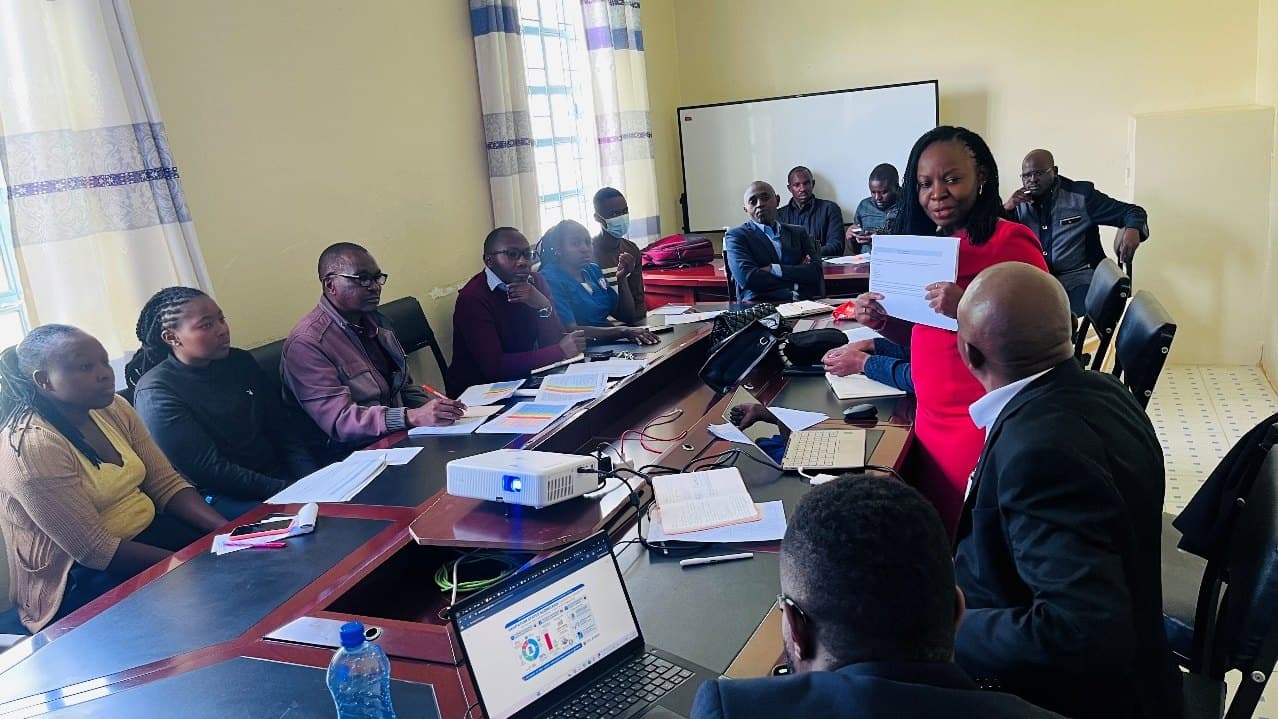
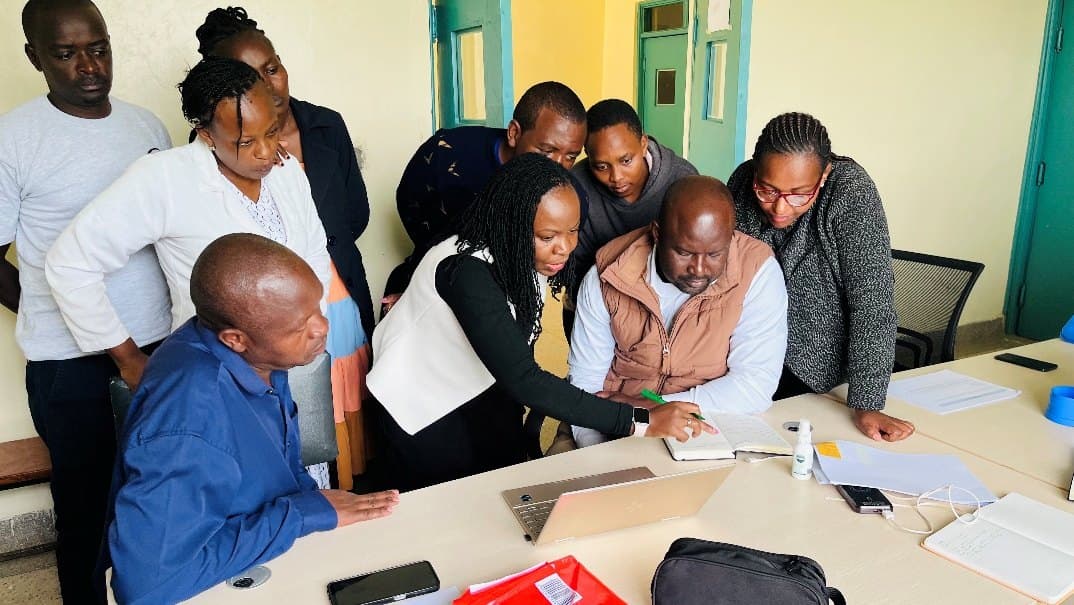
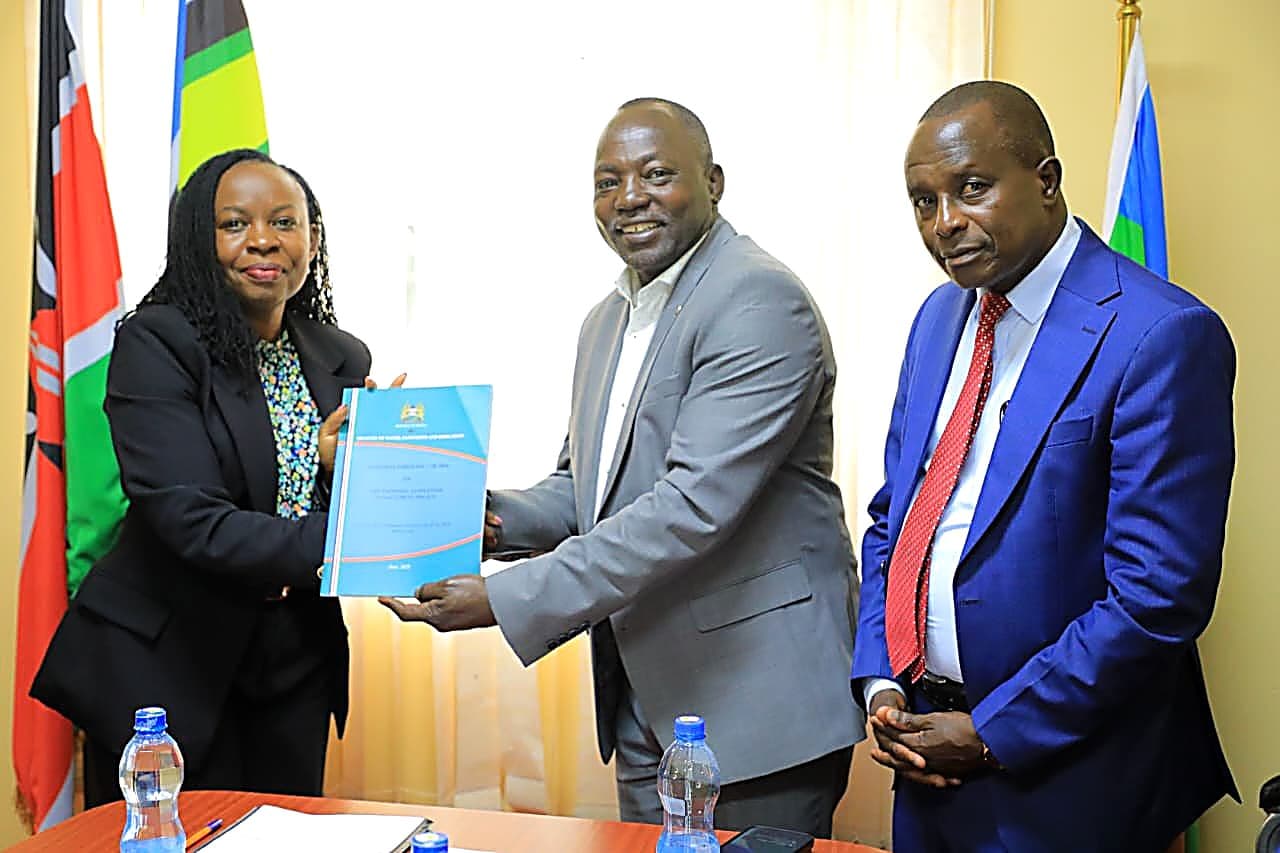
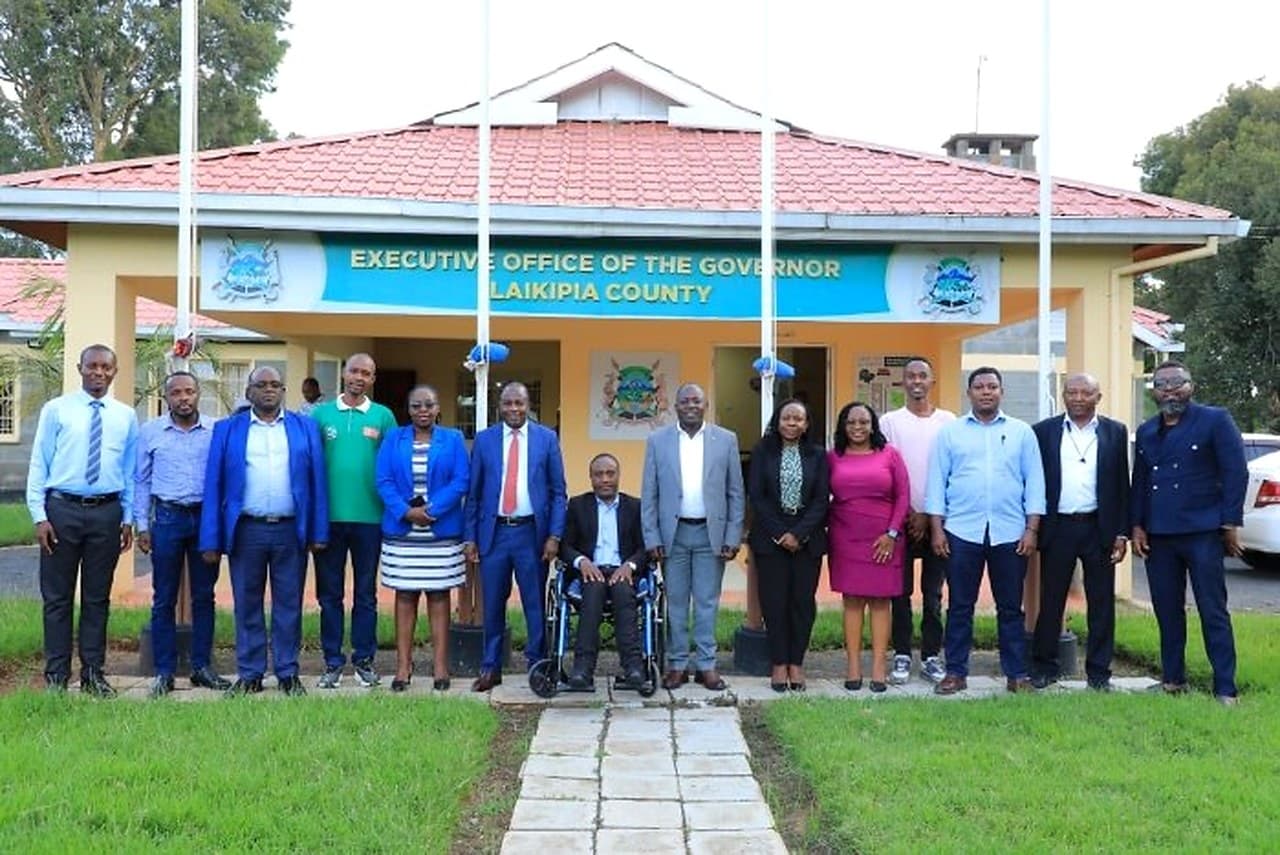
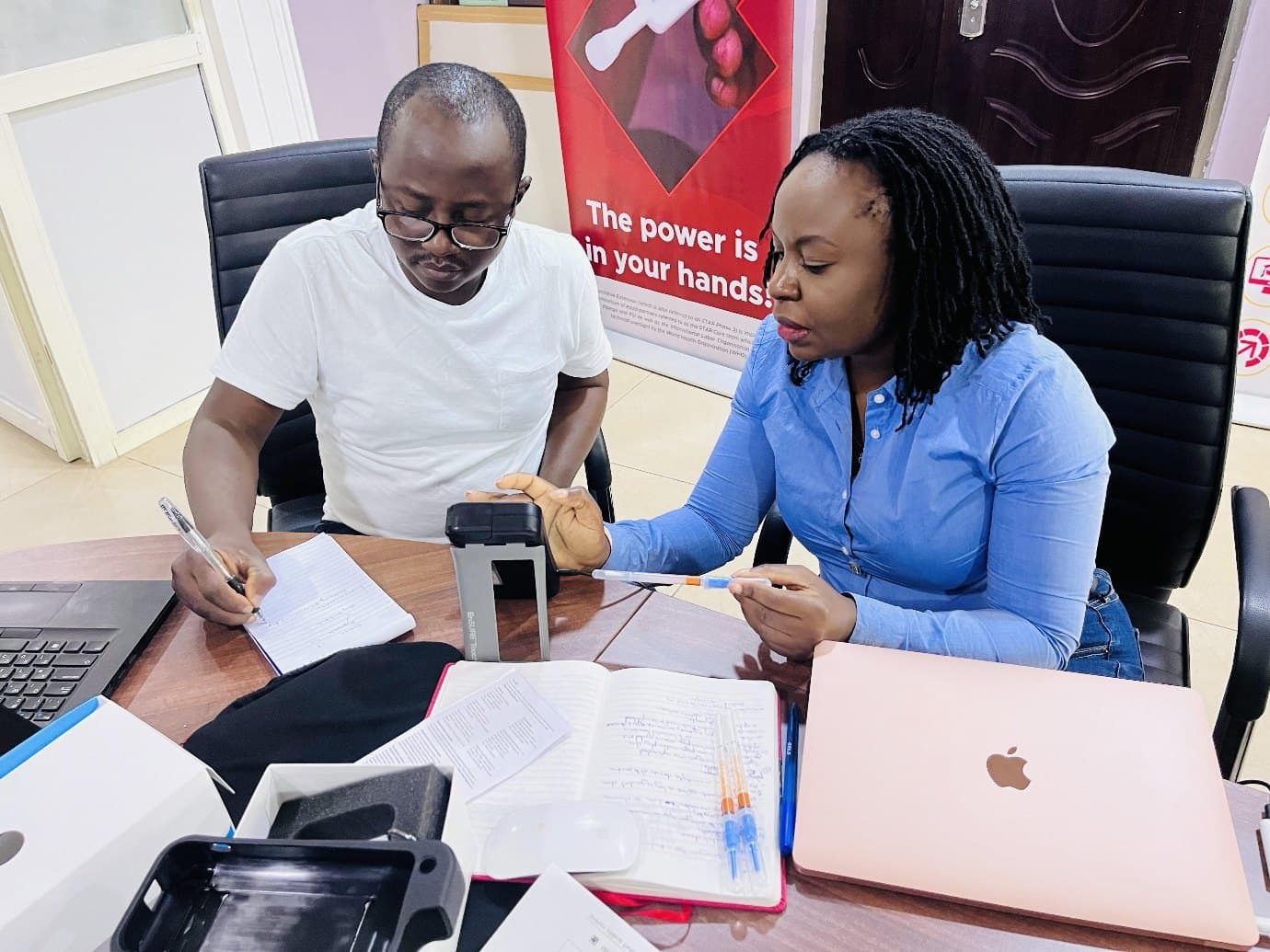
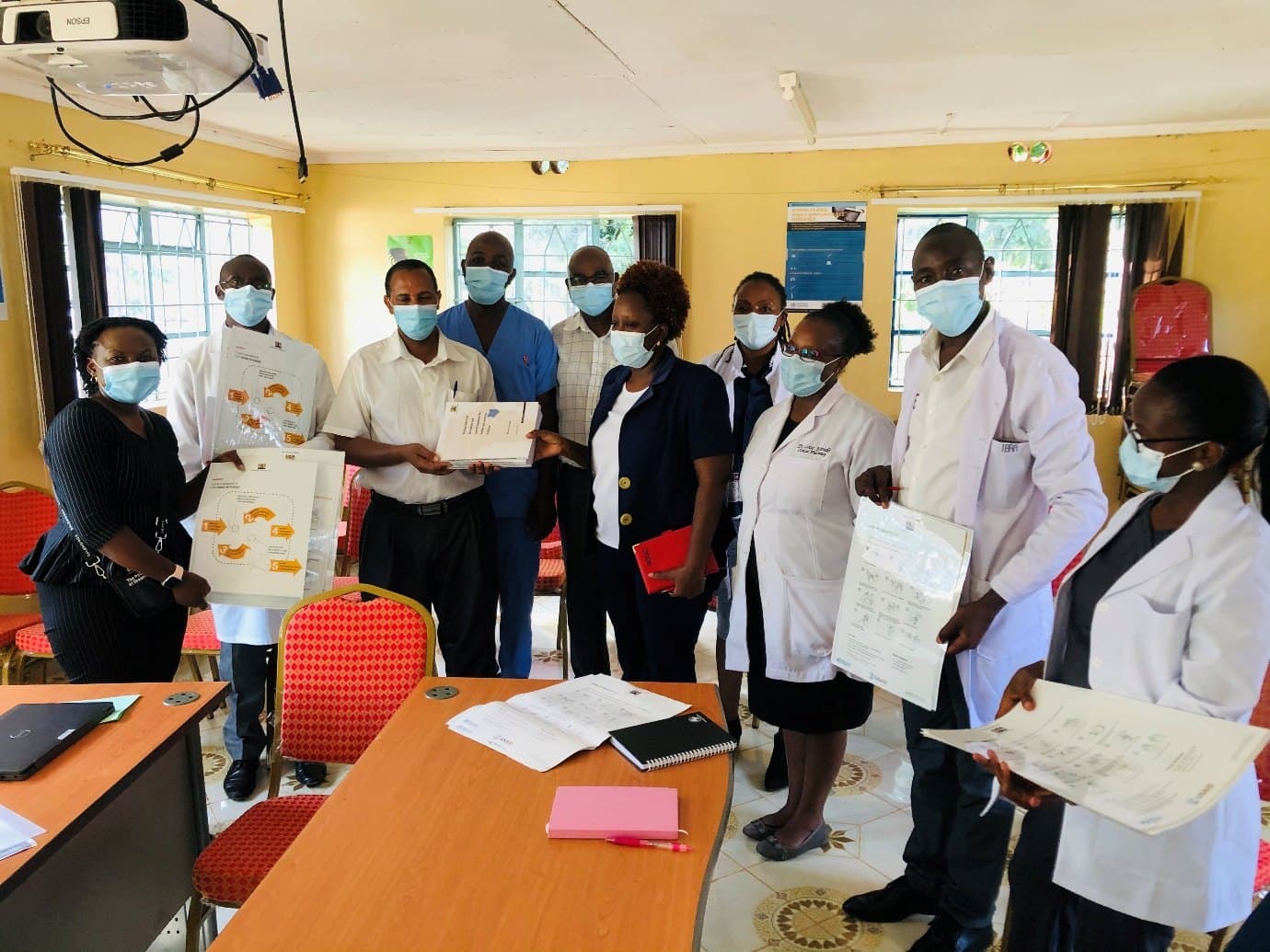
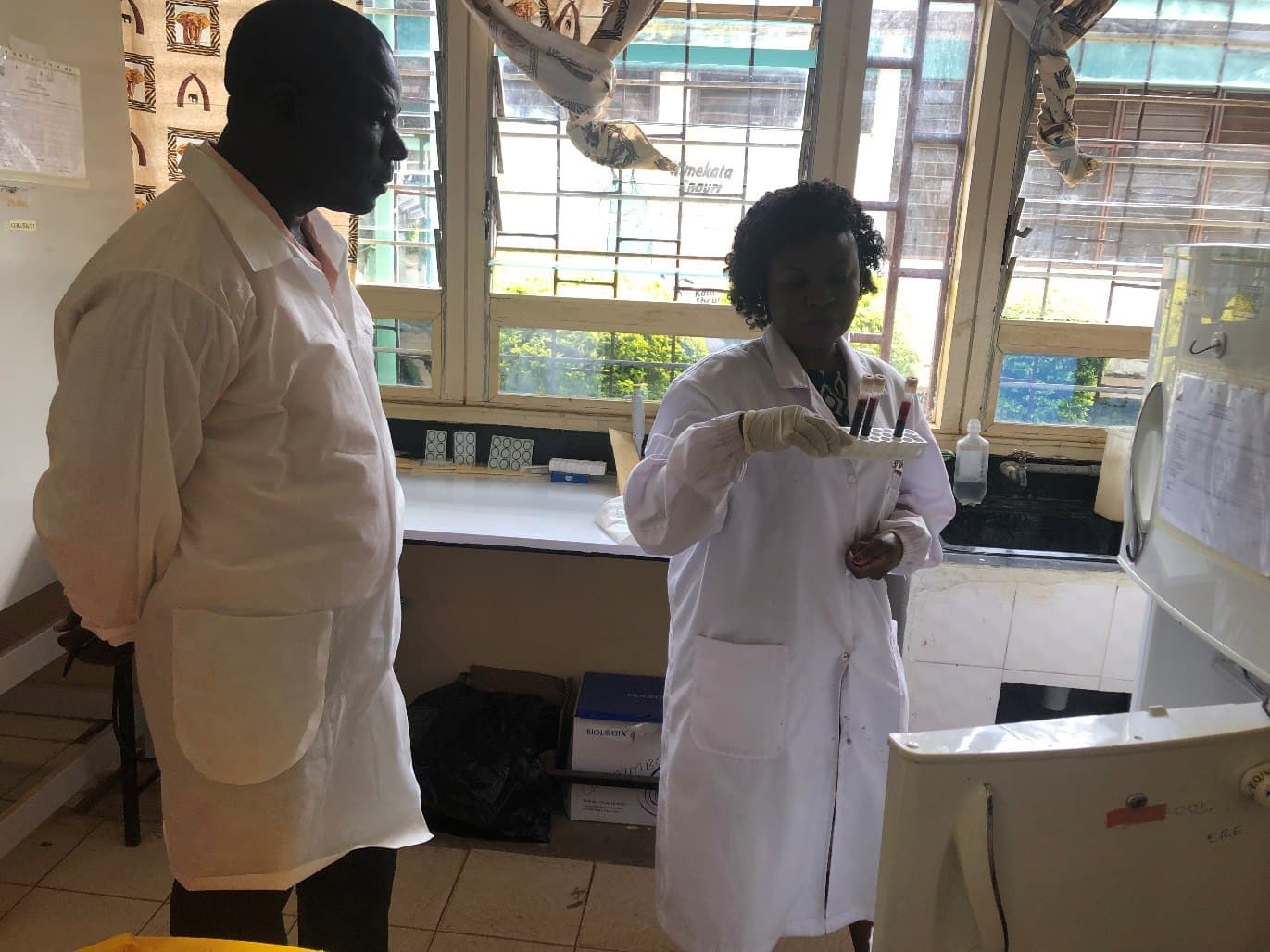
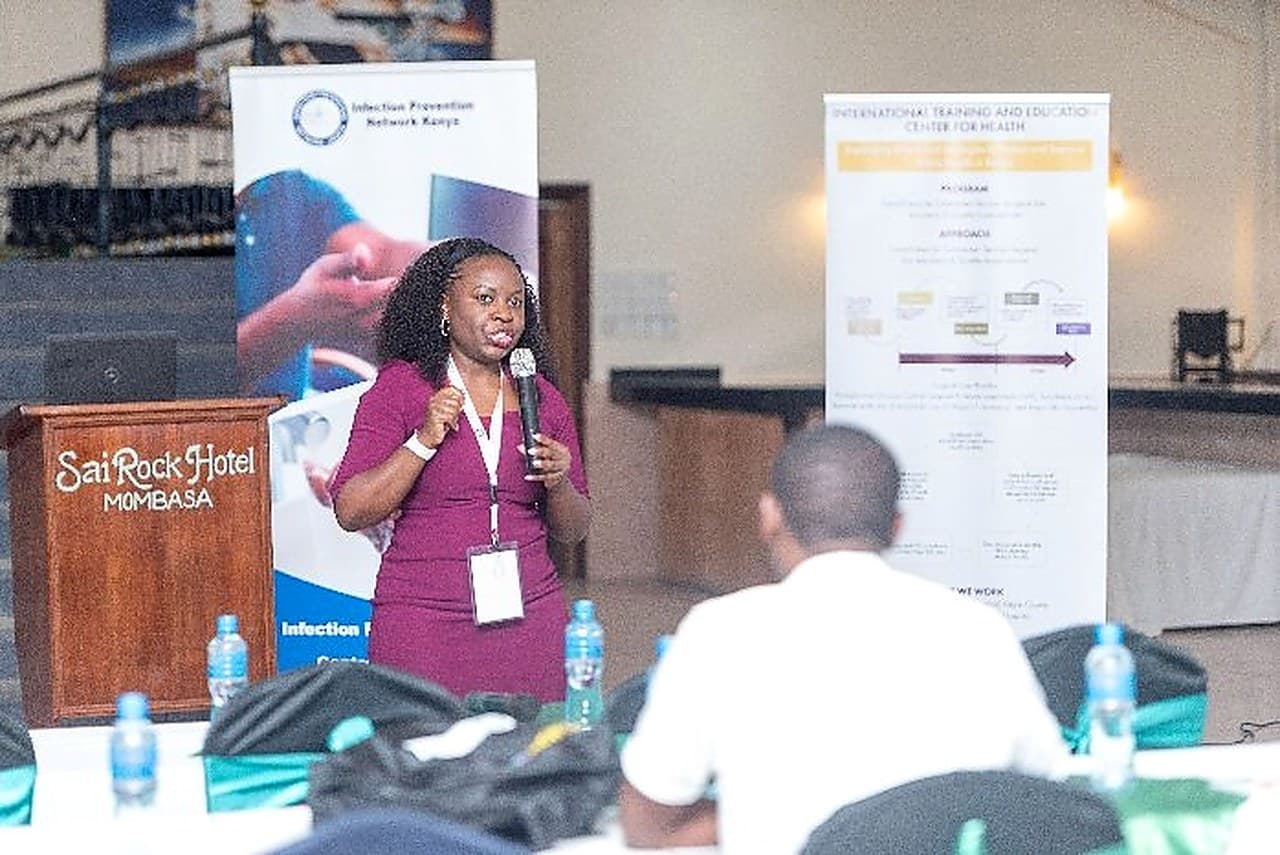
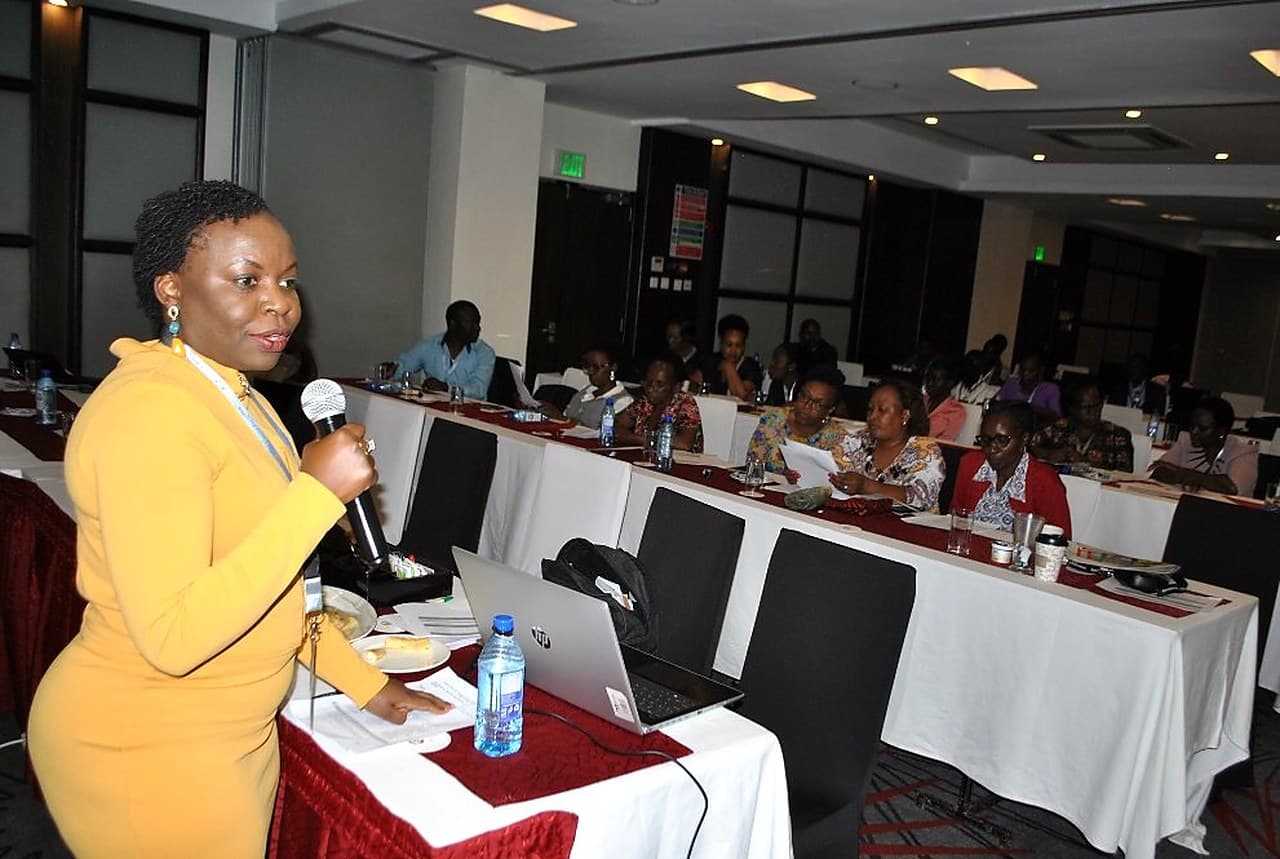
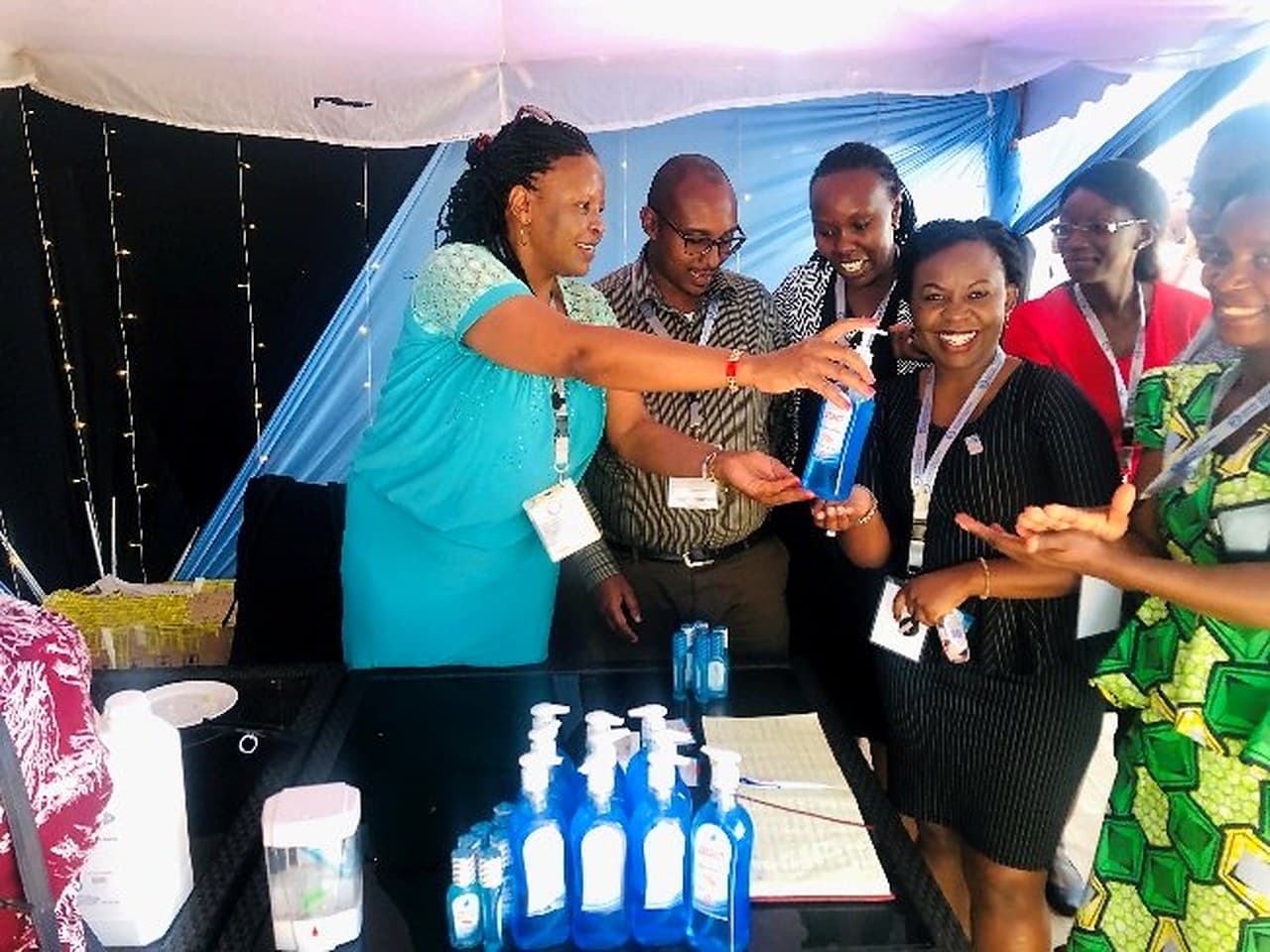
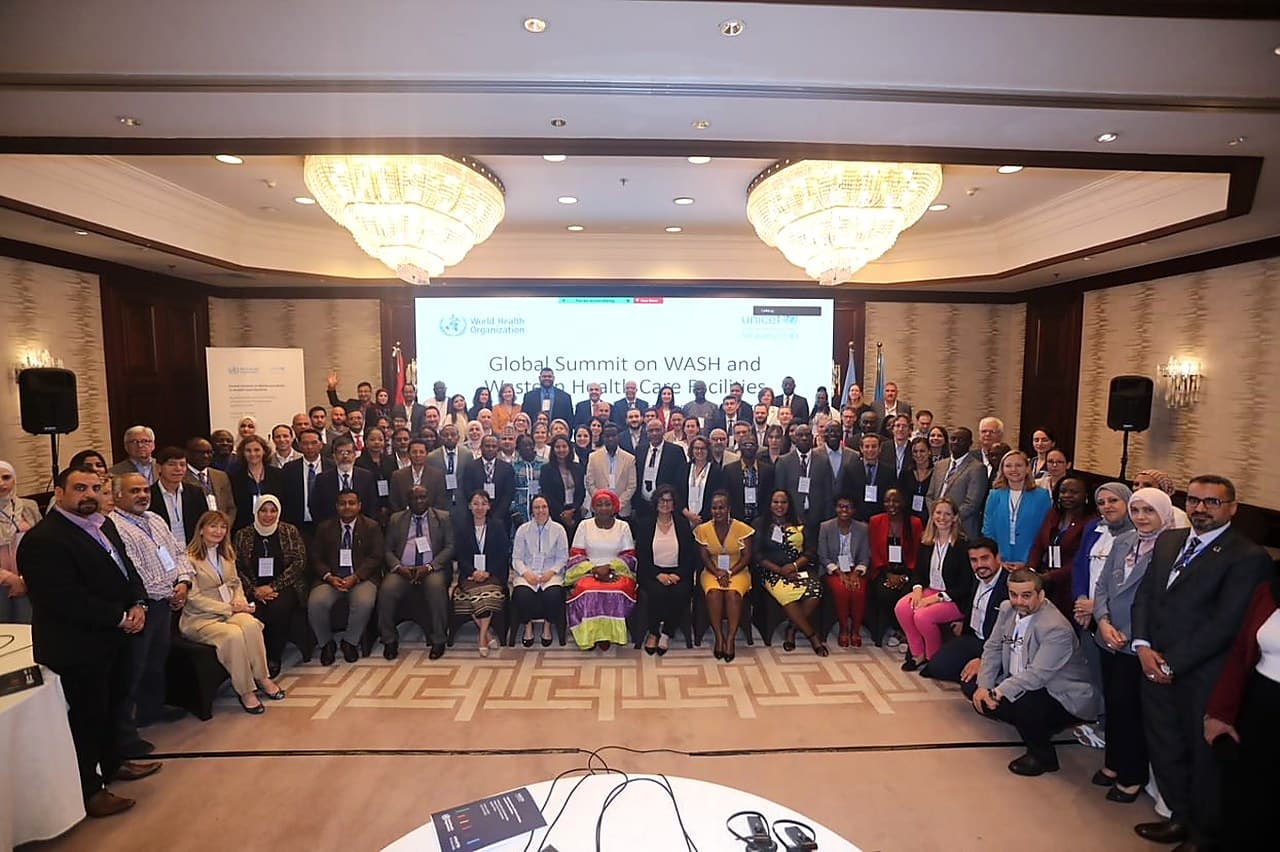
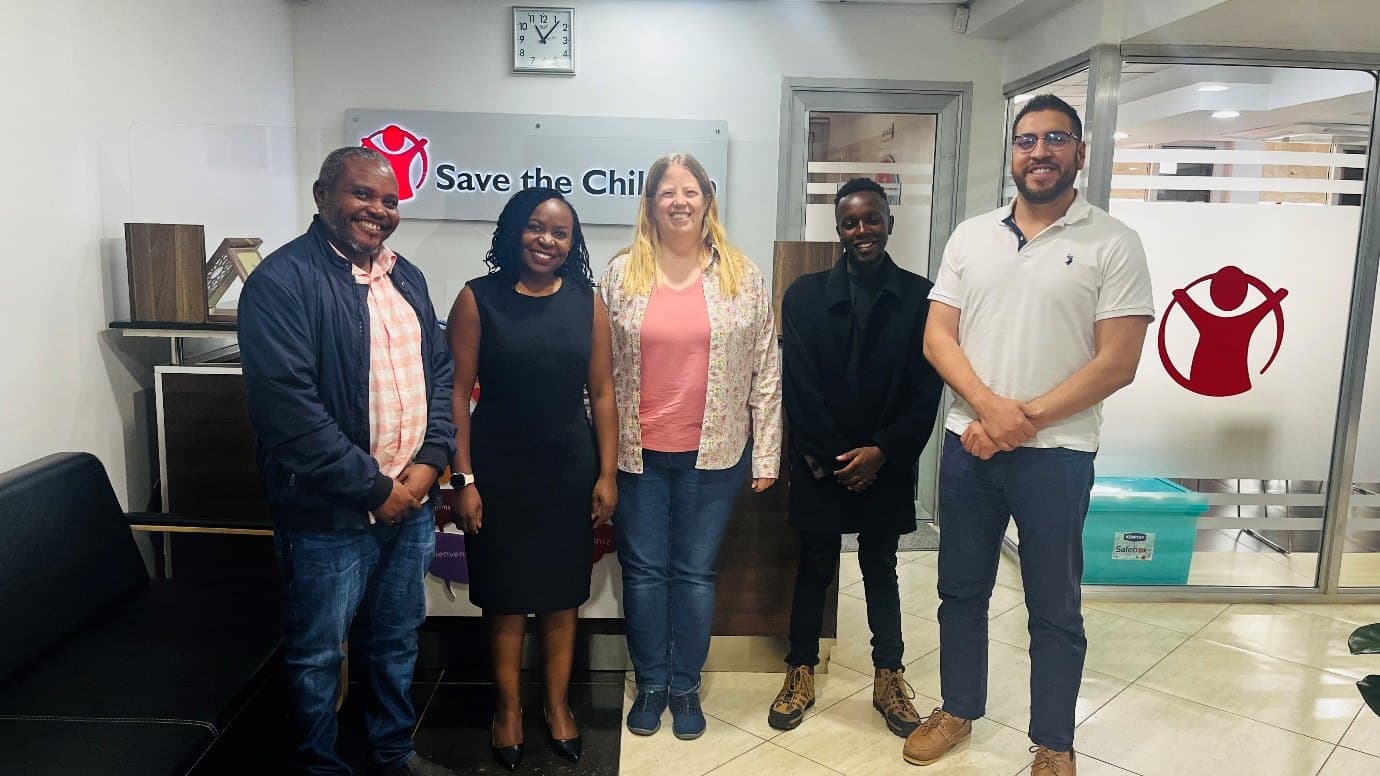
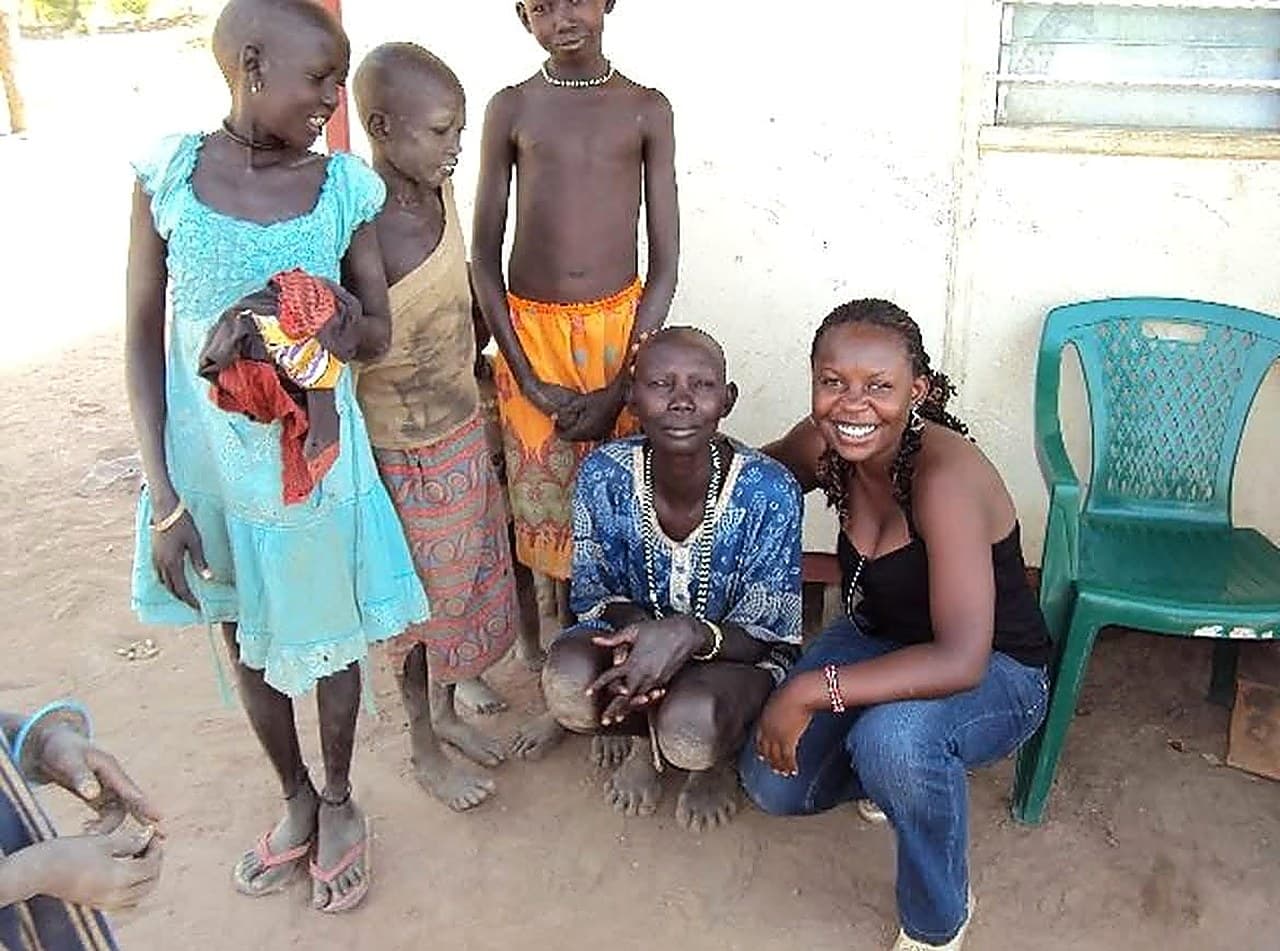
From the field
Laikipia County, Kenya
Training hospital managers, administrators and health care workers on the WASH FIT tool at Nanyuki Teaching and Referral Hospital.
01 / 13
From scale to systems change
Four accounts of what changed
Named for what changed, not for the project that funded it.
A national system established
Provided technical leadership to establish East Africa's first structured national biosafety governance system in Kenya, connecting policy, governance, national curricula, implementation tools, and a technical working group.
Policy translated into practice
Technical support in the development of national IPC and occupational health and safety policy, and COVID-19 response implementation across more than 30 counties, training over 500 healthcare workers and frontline teams in IPC and WASH.
Improvement brought to facilities
Currently leading WASH–IPC systems strengthening in 34 healthcare facilities, including WASH FIT assessments, training for 200 healthcare workers, and facility improvement planning, with planned expansion to 90 additional facilities.
Evidence and leadership recognised
Recognised internationally with the IFBA Biosafety Hero Award, and published peer-reviewed evidence on strengthening biosafety, laboratory systems, and health security.
Recognition and peer-reviewed evidence are listed under insights and publications.
Geographic footprint
Where the work has been done
Directly implemented programmes in Kenya, South Sudan, Ghana, Nigeria, Malawi, and India, while providing regional and global remote technical assistance across Sub-Saharan Africa, Europe, and Central Asia through roles with UNICEF, Save the Children, MSH, FHI360, University of Maryland, Arkangelo Ali Association, and independent consultancy engagements. This includes support to Christian Health Associations across 32 African countries.
Programmes implemented directly
Through roles with
Next step
Bring this record to your system.
Engagements begin wherever the system is — with a diagnostic, a time-bound transformation engagement, or embedded advisory support.